
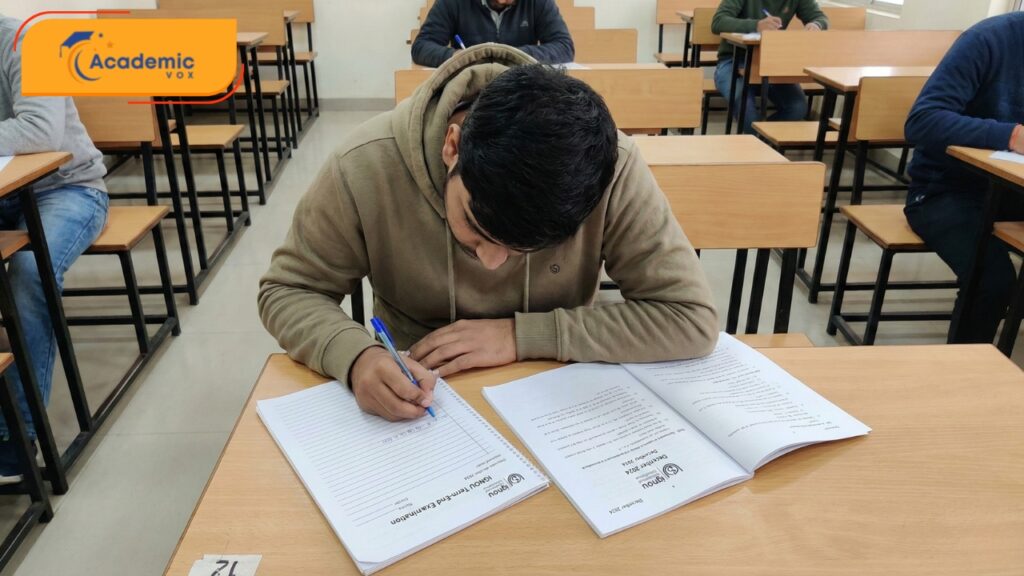
How to Attempt the Paper When IGNOU Exams Are Already Running
Here it comes:
Understanding the Importance of a Strong Exam Attempt Strategy
When IGNOU exams are already in progress, students often feel pressure, urgency, and confusion about how to approach each paper. Unlike traditional universities, IGNOU uses an open-distance learning structure. This means students rely heavily on self-discipline and exam strategy instead of classroom preparation. How you attempt your exam paper is crucial for your final marks, sometimes even more than what you studied. Many students prepare well but lose marks simply because they don’t know how to structure their answers, manage their time, or interpret the questions correctly. This is why having a clear paper-attempt strategy is essential during the exams.
Why Attempt Strategy Matters in IGNOU
A good attempt strategy helps you present your knowledge clearly, avoid mistakes, and maximize your marks, even if you are unsure about some answers. IGNOU evaluates not just memory but also understanding, structure, accuracy, and presentation, making your attempt technique very valuable.
Preparing Yourself Mentally Before Entering the Examination Hall
IGNOU exams require not only knowledge but also mental clarity. Students often panic during exam weeks, affecting their memory and answer quality. Staying calm is the foundation of a successful paper attempt because your mind works best when relaxed.
Overcoming Exam Anxiety
Before entering the hall, remind yourself of your consistent preparation. Take deep breaths, avoid talking about difficult topics with others, and focus on your own revision. Anxiety reduces focus and slows your writing speed, so it’s essential to stay grounded.
Avoiding Peer Pressure
Many students get influenced by others who are revising or discussing “expected questions.” This creates unnecessary doubt. Trust your study plan and avoid last-minute comparisons.
Understanding IGNOU Question Paper Pattern Before Attempting
Every IGNOU question paper has a predictable structure. Knowing the pattern in advance helps you decide how much time to allocate for long answers, short answers, and 2-mark responses. Students familiar with paper patterns generally attempt faster and more accurately.
General Structure of IGNOU Papers
Most TEE papers consist of:
- Section A: Long answers
- Section B: Medium/short answers
- Section C: Short notes or 2-mark answers
This pattern varies slightly from course to course, but the logic remains the same—questions progress from broad to specific.
How Pattern Knowledge Improves Attempt Quality
By knowing the pattern, you understand how much time each section requires. This reduces panic during the exam and ensures you don’t leave answers incomplete.
Reading the Question Paper Carefully Before Writing Anything
One common mistake IGNOU students make is rushing to write as soon as they receive the paper. Good attempt technique requires that you read the questions properly first.
Spend the First 5 Minutes Understanding the Paper
Use the initial minutes to:
- Read all questions
- Identify easy and difficult ones
- Plan the order of attempting
These few minutes can prevent later mistakes.
Avoid Misreading the Question
IGNOU question setters use key terms like:
- Analyze
- Discuss
- Explain
- Critically evaluate
Understanding these terms helps you write answers in the expected direction and stay on topic.
Choosing the Right Questions to Attempt First
Time management in IGNOU exams is not about rushing; it’s about making smart choices. The order in which you attempt questions affects your confidence and writing flow.
Start with the Questions You Know Best
This builds confidence and sets a strong impression for the evaluator. Examiners form an impression based on your first answer regarding your clarity and knowledge.
Avoid Spending Too Much Time on One Answer
Even if you know an answer well, don’t let it take more time than you planned. Overwriting can reduce your time for other answers and lead to incomplete attempts.
Using Proper Structure While Writing IGNOU Answers
IGNOU examiners prefer answers that are clear, structured, and direct. Even strong content may get lower marks if it is poorly structured.
Ideal Structure for Long Answers
A well-structured long answer should include:
- Introduction
- Main body
- Explanation with headings
- Examples
- Conclusion
This clarity can help you score higher.
Structure for 6-Mark or Medium Answers
Keep these answers concise. Use short paragraphs and bullet points when appropriate.
Structure for 2-Mark Answers
Be brief. Avoid unnecessary explanations. Focus on keywords, definitions, or short clarifications.
Time Management During Ongoing IGNOU Exams
Time management becomes even more crucial during exams that occur daily. You must conserve mental energy and avoid burnout.
Divide Your 3 Hours into Blocks
A suitable division looks like:
- 5 minutes for reading
- 1 hour for long answers
- 1 hour for short answers
- 45 minutes for very short answers
- 10 minutes for revision
This ensures you complete the paper comfortably.
Avoid Spending Time on Decoration
Writing neatly is important, but avoid drawing borders or creating fancy headings. Time is limited—focus on the content.
Writing Answers in a Way That Impresses IGNOU Examiners
Examiners appreciate answers that show clarity and understanding. They prefer meaningful explanations over memorized lines.
Use Headings and Subheadings
This helps break content into easy-to-read sections.
Use Examples When Possible
Examples demonstrate your practical understanding. IGNOU examiners reward relevant explanations.
Avoid Writing Too Much
Some students think more pages increase marks, but examiners prefer concise, relevant content.
Handling Difficult Questions During the Exam
It’s normal to encounter questions you are unsure about during the paper. What matters is how you handle them.
Never Leave a Question Blank
Even if you don’t know the full answer, write down any relevant points you remember. Attempting increases your chances of getting partial marks.
Break Down the Question
Try to connect the topic with related ideas from the syllabus.
Use General Knowledge Where Applicable
For broad questions, apply basic logic, examples, or theoretical extensions.
Maintaining Good Handwriting and Presentation
IGNOU examiners read dozens of papers daily. Good presentation helps your answers stand out and reduces the chances of evaluator fatigue affecting your marks.
Write Clearly
Use medium-sized handwriting and avoid excessively tiny or large letters.
Leave Space Between Answers
This helps make your paper look clean and organized.
Underline Keywords
This helps examiners easily identify important concepts.
Avoiding Common Mistakes Students Make While Attempting IGNOU Papers
When exams are ongoing, students frequently repeat common mistakes that cut their marks unnecessarily.
Mistake 1: Writing Off-Topic
Always stick to what the question asks. Avoid unrelated information.
Mistake 2: Not Watching the Clock
Time slips quickly during exams. Keep track every 20 minutes.
Mistake 3: Not Completing the Paper
Missing even one question can cost you numerous marks.
Mistake 4: Ignoring Keywords
Keywords like “Critically evaluate” or “Explain” have specific meanings.
Mistake 5: Repeating the Same Content
Avoid saying the same point in different ways.
Revising Your Answers Before Submitting the Paper
Revision is the final step that can boost your marks. Small mistakes can be corrected if you check your paper before submitting.
What to Check During Revision
- Spelling errors
- Missing headings
- Incomplete answers
- Repeated lines
- Unanswered questions
Don’t Rush the Final Answers
Use the last 10 minutes wisely to review the entire booklet.
Taking Care of Your Health During Ongoing Exam Season
When exams are running back-to-back, maintaining energy is crucial. Poor health impacts concentration and writing speed.
Sleep Properly
Avoid studying too late at night.
Eat Light Before the Exam
Heavy meals can make you sluggish.
Stay Hydrated
Dehydration slows brain activity.
What to Do Immediately After Finishing One Exam Paper
After finishing one exam, avoid discussing answers with others. This can increase your anxiety.
Focus on the Next Exam
Each subject is different. Shift your mindset immediately to the next paper.
Review Your Revision Plan
Don’t waste time worrying about past mistakes.
Building Confidence When Exams Are Ongoing
Confidence is just as vital as preparation.
Stay Positive
Tell yourself that every exam is a new opportunity.
Avoid Overthinking
Don’t let fear disrupt your performance.
Believe in Consistency
Daily revision and a consistent strategy yield results.
Conclusion: The Key to Attempting IGNOU Papers Successfully
Attempting the paper is as important as studying for it. When IGNOU exams are ongoing, you must combine smart strategy, time management, presentation skills, and confidence. By understanding question patterns, planning your answers, avoiding common mistakes, and staying mentally calm, you can achieve higher scores in every exam. A solid attempt technique ensures your knowledge is evaluated effectively. If you follow these guidelines, your performance in ongoing IGNOU exams will improve significantly, leading to excellent results.